La légende de la révolte des femmes de Rouffach [Rouffach / Haut-Rhin / France]

Published on Sept. 30, 2024 Themes: Agression sexuelle , Armée , Attaque , Château , Combat , Couronne , Eglise , Enlèvement , Evèque , Femme , Fuite , Injustice , Jeune fille , Légende historique , Libération , mère , Noblesse , Origine d'une tradition , Pâques , Roi | Empereur , Soldat , Vengeance , Victoire , Vierge , 170 vues

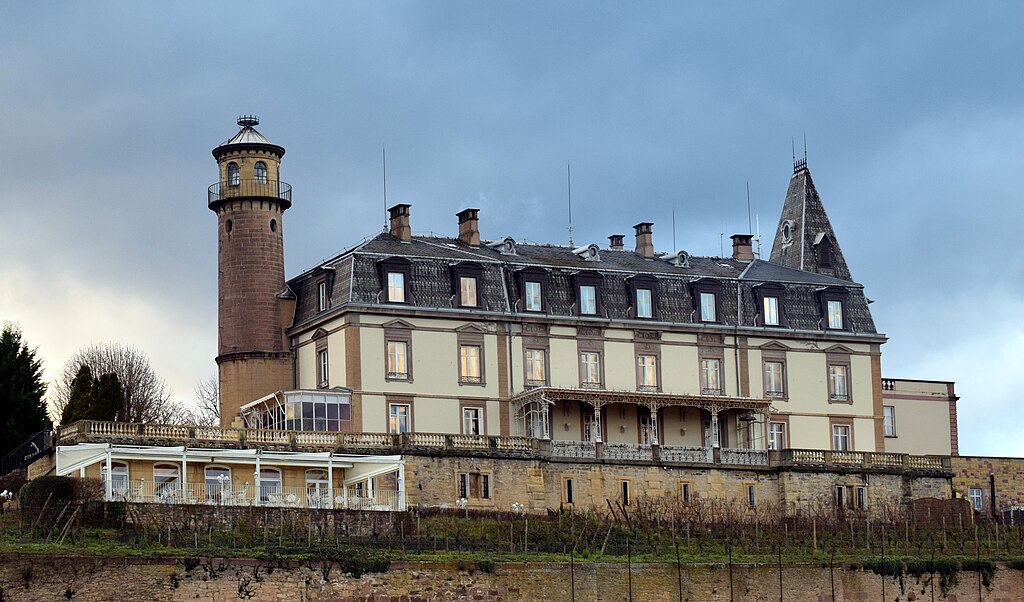
Château d'Isenbourg
Château d'Isenbourg. Source 0x010C, CC BY-SA 4.0 <https://creativecommons.org/licenses/by-sa/4.0>, via Wikimedia Commons
ajouter aux favoris Ajouter une alerte en cas de modification augmenter la taille du texte reduire la taille du texte
Source: Wetterlé, Émile (abbé) / Notre Alsace, notre Lorraine (moins d'1 minute)
Contributeur: Fabien
Location: Eglise Notre-Dame de l'Assemption / Rouffach / Haut-Rhin / France
Location: Château d'Isenbourg / Rouffach / Haut-Rhin / France

Voici la ville de Rouffach, dominée par le château d'Isenbourg, ancienne résidence des rois mérovingiens, que Dagobert II avait donnée à l'évêché de Strasbourg. L'empereur d'Allemagne, Henri IV, s'en étant rendu maître par surprise, la traitait en pays vaincu.

Il advint que, le matin de Pâques 1105, l'empereur Henri IV étant au château, le gouverneur fit enlever une jeune fille. A ses cris, la mère accourut. Elle entendit la lourde porte du château se refermer sur le ravisseur. Les hommes de la ville, appelés à la rescousse, considérèrent les hautes tours du château, les murs épais de quatre coudées, tout ce superbe appareil dont ils connaissaient la force et la cruauté. Impossible de délivrer la captive.

La mère indignée saisit une hache. D'autres femmes la suivirent. Les sentinelles du château furent bousculées, et l'assaut fut donné avec une fougue irrésistible. Les femmes trouvèrent d'instinct les passages secrets. Elles arrivèrent à la chambre où se tenait, qui ? Le châtelain' de Rouffach? Non. L'empereur d'Allemagne Henri IV en personne.

L'empereur s'enfuit, abandonnant sceptre et couronne. Lanière, serrant sa fille sur son cœur, se rendit à l'église. Les femmes la suivirent. Elles offrirent à la Vierge le sceptre et la couronne. Puis, au lieu de s'installer sur les bancs de gauche, elles se mirent sur les bancs de droite, à la place réservée aux hommes. Depuis ce temps, dans l'église de Rouffach, le côté droit reste toujours réservé aux femmes.


ajouter aux favoris Ajouter une alerte en cas de modification augmenter la taille du texte reduire la taille du texte
Available languages: Deutsch Français English
Source: Mündel, Curt / Die sagen des Elsasses (2 minutes)
Contributeur: Fabien
Location: Eglise Notre-Dame de l'Assemption / Rouffach / Haut-Rhin / France
Location: Château d'Isenbourg / Rouffach / Haut-Rhin / France

After Emperor Henry IV had declared himself in favor of the antipope Clement, he sought to compel all the bishops of the Empire to recognize him; those who refused, he deprived of their bishoprics.

This also happened to the Bishop of Strasbourg. By imperial command, Rouffach, the capital of the Upper Mundat and one of the oldest possessions of the bishops of Strasbourg, was taken from him. The castle was garrisoned with troops, and the inhabitants were oppressed in the cruelest manner.

These acts of violence only increased under the rule of Henry V, who gathered a strong army all around the town.

At that time, in 1106, the imperial castellan in particular played his evil game with the people of Rouffach, who, powerless to defend themselves, had to endure every injustice. Yet the hour of vengeance was not to fail.

On Easter Day, the castellan had seized a beautiful burgher’s daughter who was just about to go to church with her mother, and had her carried into the castle. The mother’s despair knew no danger. She urged the men to take up arms, rescue her daughter from disgrace, and at last break the shameful yoke of foreign rule. But the men did not dare face the enemy’s superior force. Then the anxious mother turned to the women and implored them, by the love they bore their own children — who were likewise exposed to the tyrant’s fury — to help her in her distress. Her words found an echo in the hearts of the mothers. They armed themselves, forced their way into the castle, broke open the doors, and before the guard, which had not expected such an assault, could seize its weapons, it was beaten down by the heroic women. “They were,” says the chronicler Herzog, “all men in their wrath.”

Then courage also came to the shamed men. The whole population rose up. Everywhere the imperial troops fell beneath the blows of the victorious townsmen. The Emperor himself escaped only with difficulty and fled to Colmar.

The women carried crown, scepter, and mantle, which he had left behind, in triumph to the church and laid them upon the altar of the Holy Virgin.

From that time on, however, the women of Rouffach had precedence over the men at all public ceremonies and processions. This privilege, the tale says, still survived in the fact that in church they occupied the seats on the right side of the altar.


Share this article on :


Événements à venir liés aux contes et légendes de Haut-Rhin

Festival du conte et des arts vivants

9, 10, 15, 16, 19, 20, 28, 30 May 2026 - Mulhouse (68)